
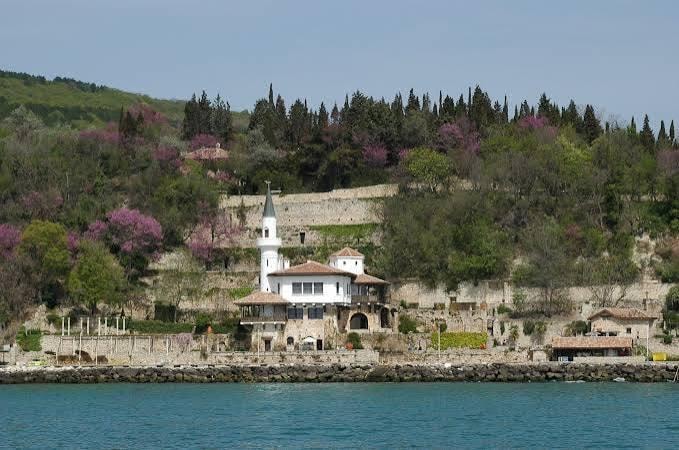
Balchik, Bulgaria: The Palace by the Sea That the World Forgot
The botanical garden at Balchik is the kind of place that makes you feel the world has been keeping a secret from you — and has finally, quietly, let you in.
It's been at least 25 years since I last visited this place. When I was younger, I loved going there with my aunt and my daughter.
This year, my family and I finally made it to Bulgaria and Balchik Palace after a few setbacks. The place is stunning, with so much history and plenty to see and do.
There is a distinct magic to Balchik—it feels fundamentally different from the rest of the Bulgarian coast. While much of the Black Sea Riviera is defined by wide expanses of golden sand and lively coastal resorts, Balchik carries a quiet, contemplative atmosphere shaped by its striking white chalk cliffs, Mediterranean microclimate, and layered history.
The town cascades dramatically down white limestone hills toward the water, giving it the nickname "The White Town." The terrain creates panoramic coastal views from nearly every vantage point.
Long a refuge for painters, writers, and poets, Balchik's slower pace and unique light have made it a favorite backdrop for Bulgarian culture and art over the past century.
Known as Quiet Nest (Тихото гнездо), the seaside palace built by Queen Marie of Romania in the 1920s blends Balkan, Ottoman, and Moorish architectural styles.
The palace itself is modest by royal standards. It is not Versailles. It is not even particularly grand. But it has something that grand places often lack: the feeling that it was built by someone who was paying attention. Who noticed the way the light falls on the water in the afternoon. Who understood that a garden should be a place of discovery, not display.
The University botanical garden is extraordinary. It contains one of the largest collections of cacti and succulents in Europe — thousands of plants, some of them enormous, growing in the open air in a climate that should not, by rights, support them. There are stone paths that lead you around corners into small clearings. There are fountains and chapels and a windmill.
When we walked into the garden, it was early afternoon. The sun was relentless, but strolling beneath the centuries-old trees felt very pleasant.
The rose garden looked just as beautiful as I remembered, but the rest of the place didn't feel as bright. Maybe I see beauty differently now.
The view of the Black Sea was stunning, worth every penny. That day, the area was packed with visitors and felt very lively.
My family and I had a great time, even though it was really hot. We enjoyed a wine tasting, took lots of pictures, and made some wonderful memories.
By the time our visit was over, it was getting dark, so we hurried to leave.
We left as the sunlight turned the water gold. The cacti loomed across the paths. There's always a cat napping somewhere in these beautiful gardens. This time, a ginger cat was curled up on a warm stone. As we walked by, it gave us a lazy look, stretched out, and kept ignoring us.
I told myself I would return. Then I realized I already had.
Bulgaria is one of the places that lives in my writing — in the landscapes, the light, the particular quality of memory that comes from growing up somewhere and then leaving. [Join my newsletter](/lp/daisy-world?utm_source=blog-aab&utm_medium=blog&utm_campaign=cmp_NXy6Dfc5ZoNZvDUALsEpVLHcEF6omcvpAwTMxnXeyb0&utm_content=act_4ltc8ZCEMD9QnxrMYEE2JIYtDt6ZGOl69hZ1VTXcYZw&utm_term=topic_bulgaria-travel) for more travel essays and reflections on place, memory, and the writing life.